Craft, Sustainability, and Makerspaces: a Brief Intro to my Research
In 2019, I started a PhD on craft for sustainable behaviour at Kingston School of Art London. Craft in Makerspaces: The Potential for Social Change for Sustainability (working title) is an AHRC-funded project done in partnership with the Crafts Council. It explores how cultures of making contribute to social sustainability and aims to gain insights for community craft-led initiatives to be actively integrated in sustainability policies.
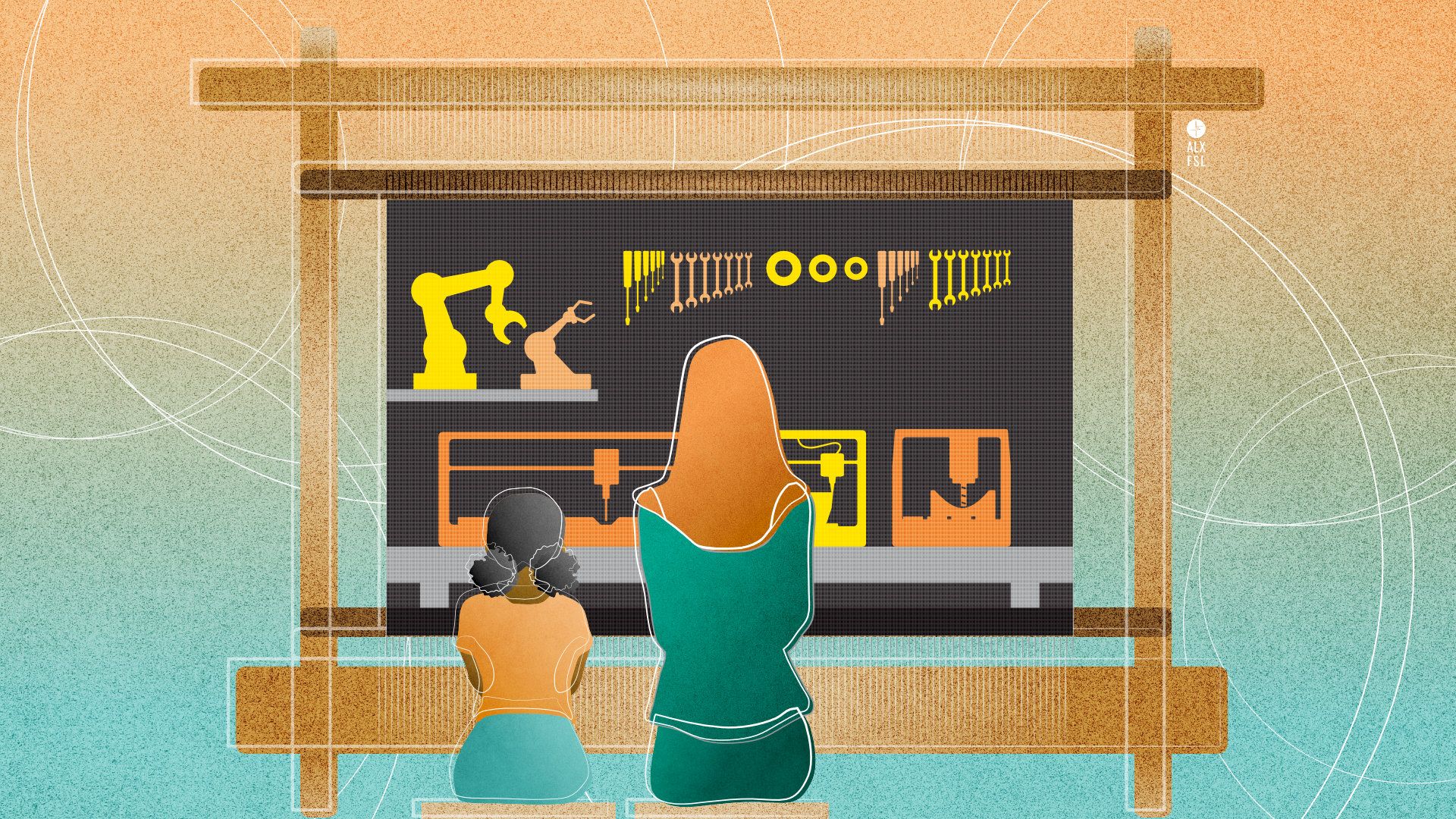
This research expands my previous studies about the social role of makerspaces, sometimes called hackerspaces or fab labs, which are a network of community open workshops that emerged and spread globally since the 2000s. Their dissemination generated a maker movement based on sharing tools, knowledge, and practices. Although they might not have an explicit sustainability mission, makerspace communities promote DIY practices, repairability, recycling, and reuse of objects, while the adoption of digital fabrication technologies like 3d printing or CNC milling machines led to the concept of distributed manufacturing, which advocates for a more local and custom production of objects.
Being often described as revolutionary and breakthrough, these approaches focus on products and production by answering the questions on how and where things are made, but leave aside why and what things are made, that instead inquiry the cultural significance of artefacts. Culture plays a crucial role in sustainability, as they inform behaviours, consumers’ choices, and production systems. In mass manufactured products and production, cultural values are mostly hidden: like for example, in a cheap sweater. They however become evident in craft objects, like a hand-knitted jumper by your mum, where the value of the family relationship is transferred and embedded in the jumper, and the time, care, and inventiveness in creating it give to the artefact a special meaning.
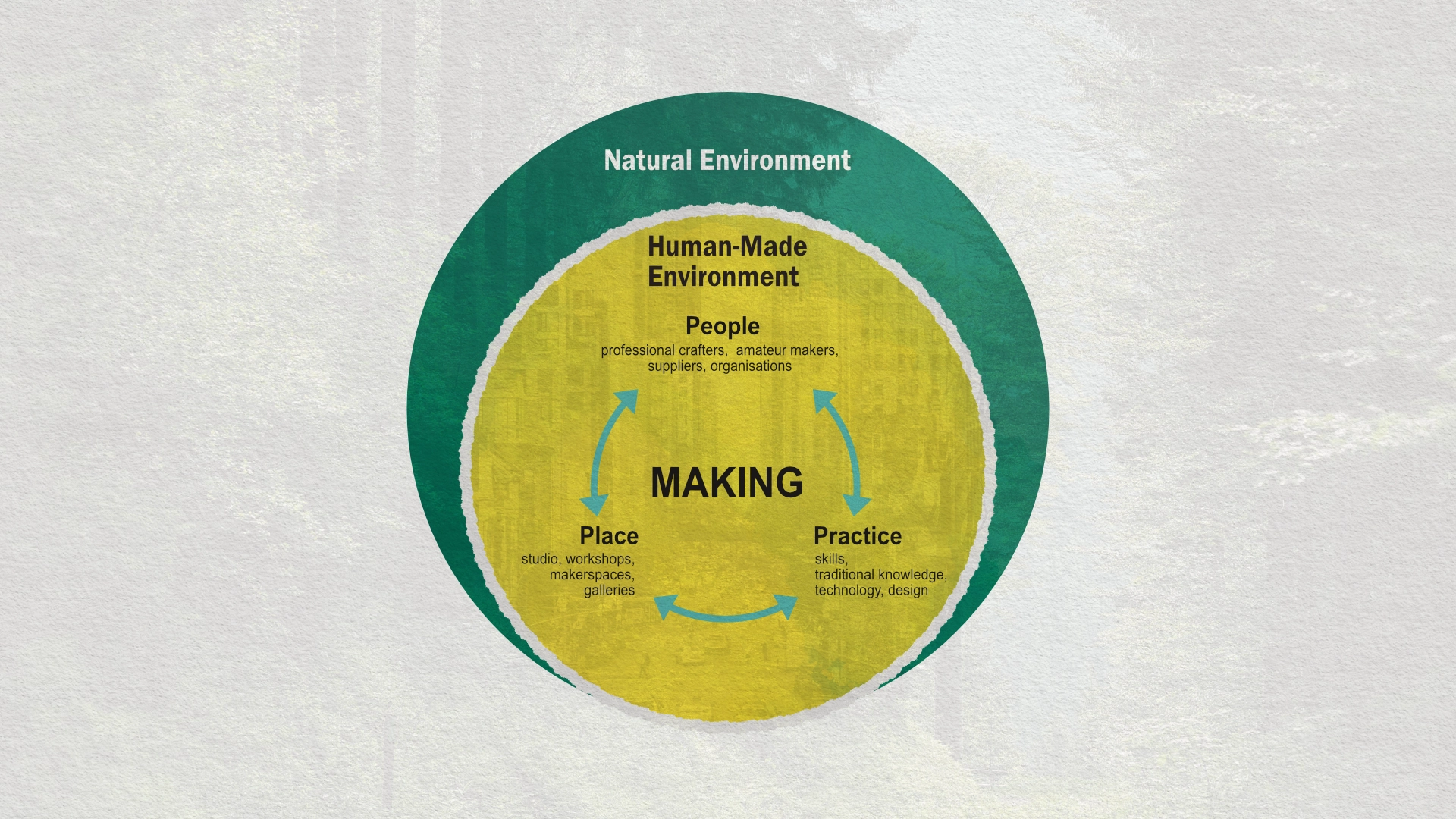
Craft practices have then retained a cultural affection and reconnect us with the material world in a more direct, sometimes nostalgic, way. Makerspaces gave craft a new opportunity to claim back its social dimension through public engagement in making, increased using digital platforms. In both physical and digital maker communities it is the practice of making, not artefacts, that is shaping and strengthening the relationship between the members of these communities, and between communities and their environment. Considering its shared cultural value, craft can then be an important tool to create sustainability cultures.
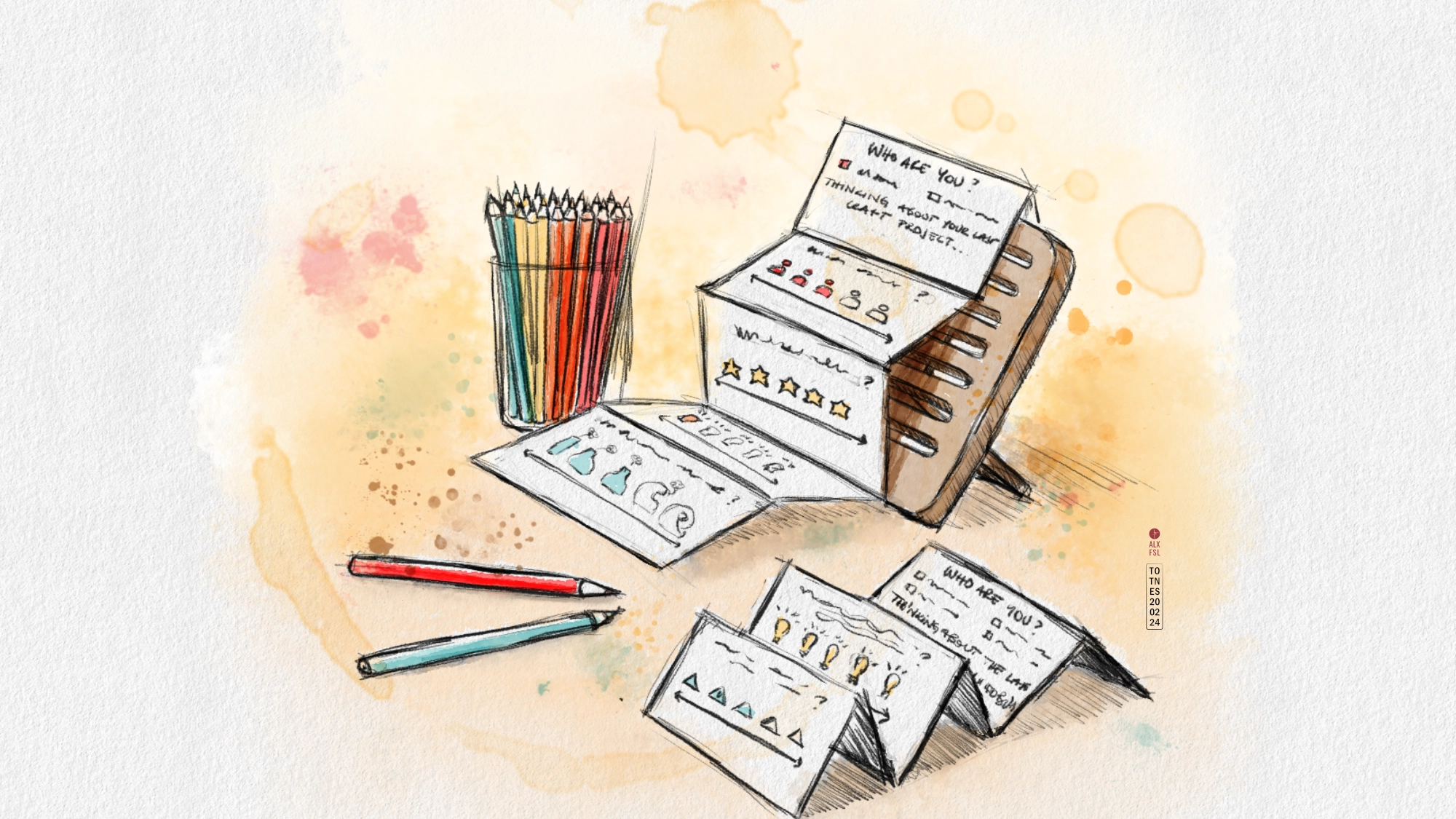
After a first stage of exploring the cultural meaning of craft, makerspaces, and social sustainability, my project is now investigating what craft in makerspaces means for communities in Devon, where I live, and where there is an active sustainability-oriented maker tradition. This is a participatory process through which the local maker communities are actively helping me to build a map of Devon making ecologies and understand how they are contributing to enhance a social sustainable behaviour. However, for craft practices to have a meaningful impact in building environmental cultures, they need to be integrated into more structural sustainability strategies. The final goal of this project is to have an outcome that points in this direction, a toolkit for stakeholders to promote and improve craft-led sustainability change.
A shorter version of this article has been featured in the Crafts Council’s Research Updates in March 2022.
This version was originally published on https://alxfsl.com/sustainability-in-the-making/craft-sustainability-and-makerspaces-a-brief-intro-to-my-research on July 10th, 2022