EthnoGraphics Interviews: Participant Information Sheet
estimated reading time: 10 minutes
EthnoGraphics: Interviews - Participant Information Sheet
A printable PDF version of this document can be found here.
Hello, you are being invited to participate in this ethnography study, part of the PhD Sustainability in the Making: Craft Programmes for Eco-Social Change. In this document you will find information about this study and its overarching PhD research. Please read it carefully.
At the end, you will be required to sign an informed consent to participate in the study.
Brief summary
This study is a visual and graphic ethnography, "EthnoGraphics", that uses a combination of observational sketching and oral history approaches to investigate how maker initiatives in Devon and the Southwest are promoting and building sustainability behaviours and ecological cultures. It is part of the PhD project Sustainability in the Making: Craft Programmes for Eco-Social Change, a doctoral research that explores how craft and making contribute to generate and promote culture(s) of sustainability.
This study is conducted by me, Alessandra (Alex) Fasoli, author of this document and PhD candidate in charge of the project.
The PhD is a doctoral training partnership by Kingston University - Kingston School of Art (academic partner) and the Crafts Council UK (non-academic partner), and it is sponsored by the Arts and Humanities Research Council (AHRC) Techne.
About the PhD
The PhD Sustainability in the Making: Craft Programmes for Eco-Social Change explores how cultures of sustainability are generated and promoted through craft and making, defined as social activities through which people share, transform, and create cultural values, like preserving traditions, building local identities, sharing worldviews, creating a sense of place, or shaping collective histories.
Cultures of sustainability are collective systems of knowledge and customs rooted in ecological values, which allow for individuals and communities to adopt environmentally-friendly behaviours, lifestyles, and norms.
This PhD aims to understand in which ways craft and making contribute to build cultures of sustainability by exploring how existing craft programmes in Devon and the Southwest are helping people to engage in more environmental, ecological, and sustainable behaviours.
About this study
This study is an ethnographic work that uses a combination of observational sketching and oral history to understand which cultural dynamics are generated during craft-led events and to observe how engaging with sustainable making allows people to reflect and learn about the environment, the climate crisis, consumerism, and production.
Observational sketching is a participant observation activity where drawing and sketches are the researcher's primary method of notetaking and data gathering. The oral history approach comprises semi-structured interviews with organisers and facilitators of craft initiatives and spontaneous conversations with participants in the programmes' events.
Why have you been chosen to participate?
As a person directly involved in the creation, organisation, and/or facilitation of sustainable craft initiatives in Devon, you are invited to take part in this study. You can participate in the research if you are above 18 and:
- you are or have been part of the organisation committee of a craft event (like organising a workshop, a craft fair, a craft festival, or a showcase)
- you are or have been a founder/CEO/employee of a craft organisation or business that organises, promotes, and deliver craft events and craft-related activity
What’s involved in taking part in the study?
You will be interviewed regarding your role in the initiative. The researcher will coordinate with you a date and time for meeting you in your workshop or workplace. Interviews are semi-structured, meaning the interviewer might ask some questions and prompts to maintain the interview focused on the topic of the study. The focus is your personal experience in organising and leading craft events for sustainability: answers are open and you will be given space and time to talk about your own perspectives, motivations and challenges in your work.
The duration of the interview depends on your availability, but it is suggested to consider an average of one hour.
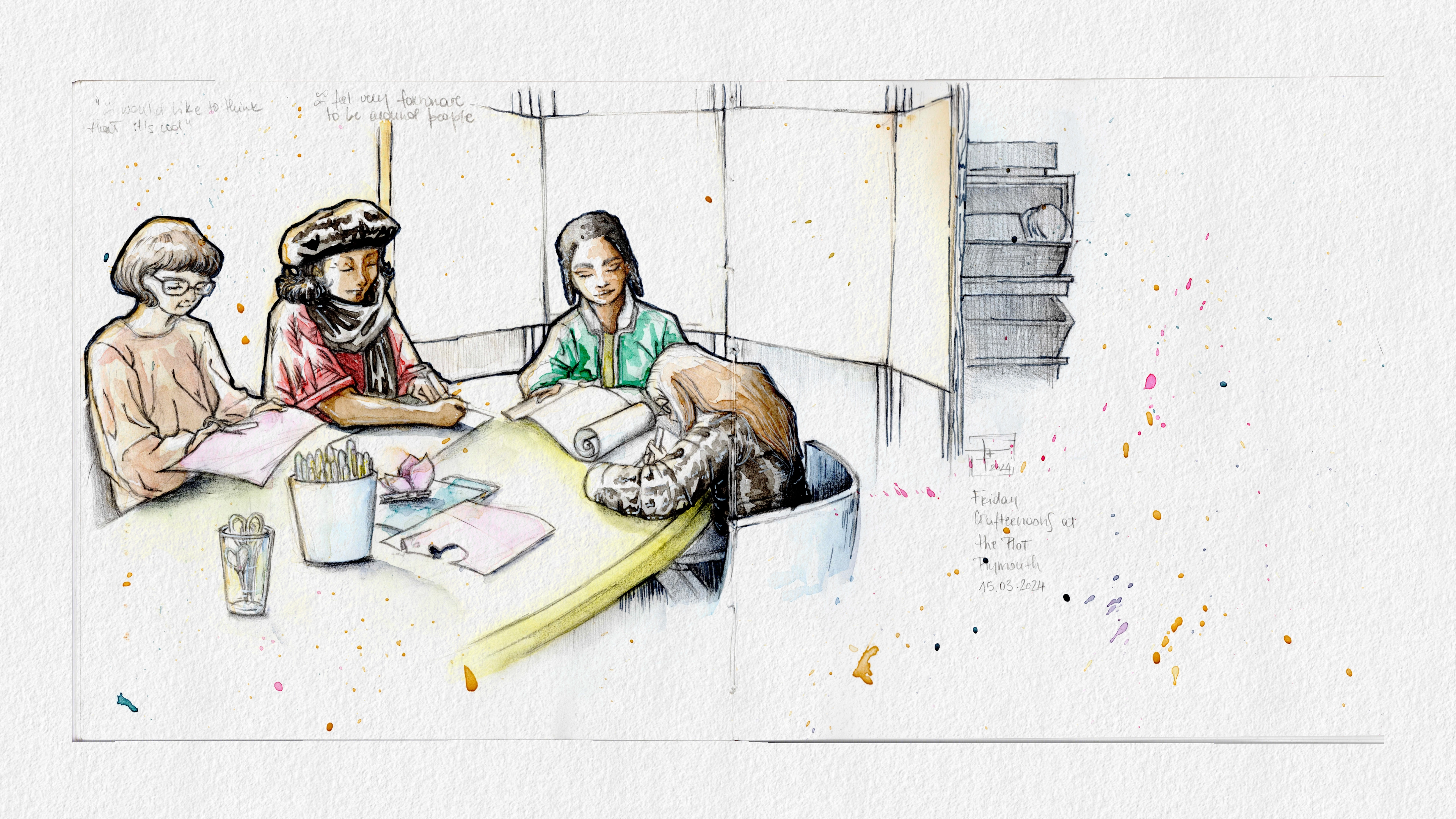
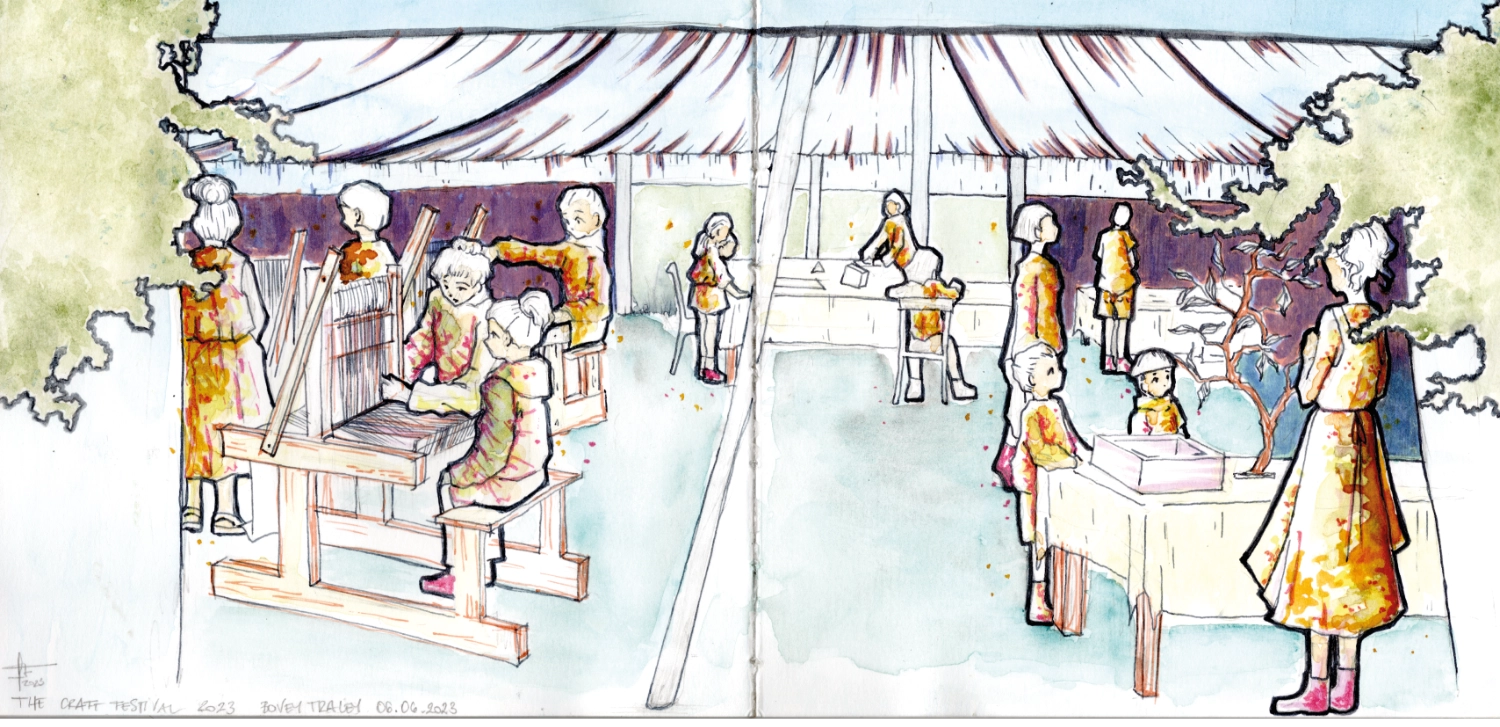
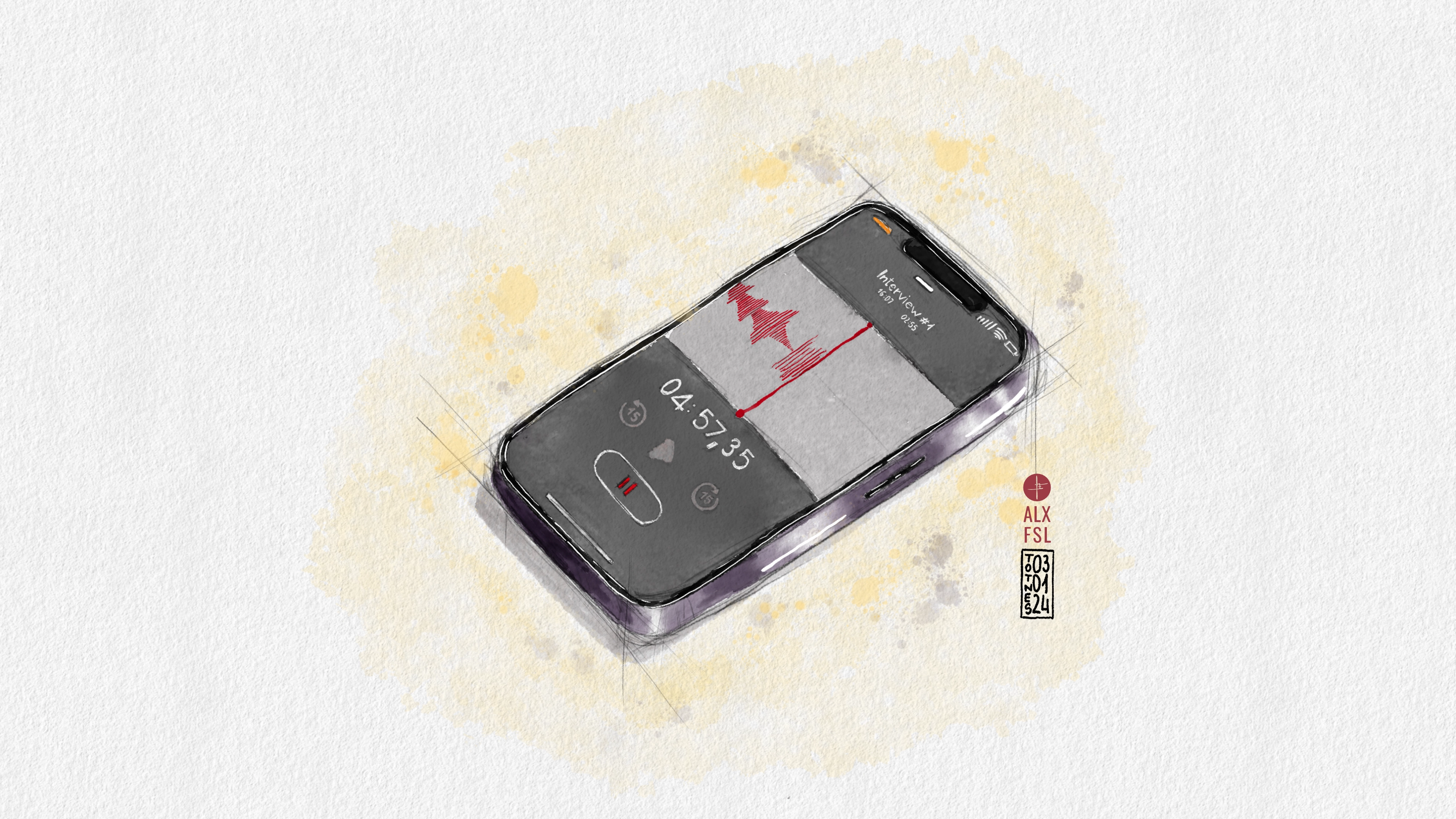
The interviewer will also make one or more on field sketches of you and the place where the interview takes place. Sketches can be done before, during, or after the interview. Interviews are recorded as audio files for archival purposes and further analysis.
Are there any risks in participating in this study?
There are no particular risks associated to this study
What if you want to opt out?
Participation is voluntary. You can opt out from the study without explanation at any moment before, during, and within 20 days since the interview has been recorded. Recordings and data about you will be destroyed. Drawings and sketches are done on a hardbound sketchbook, therefore no drawing or sketch can be destroyed. However, the drawing of you will not be used in the research; it will be excluded from the permanent collection and from the digital scans of the final datasets of the project.
What drawings will be made of me?
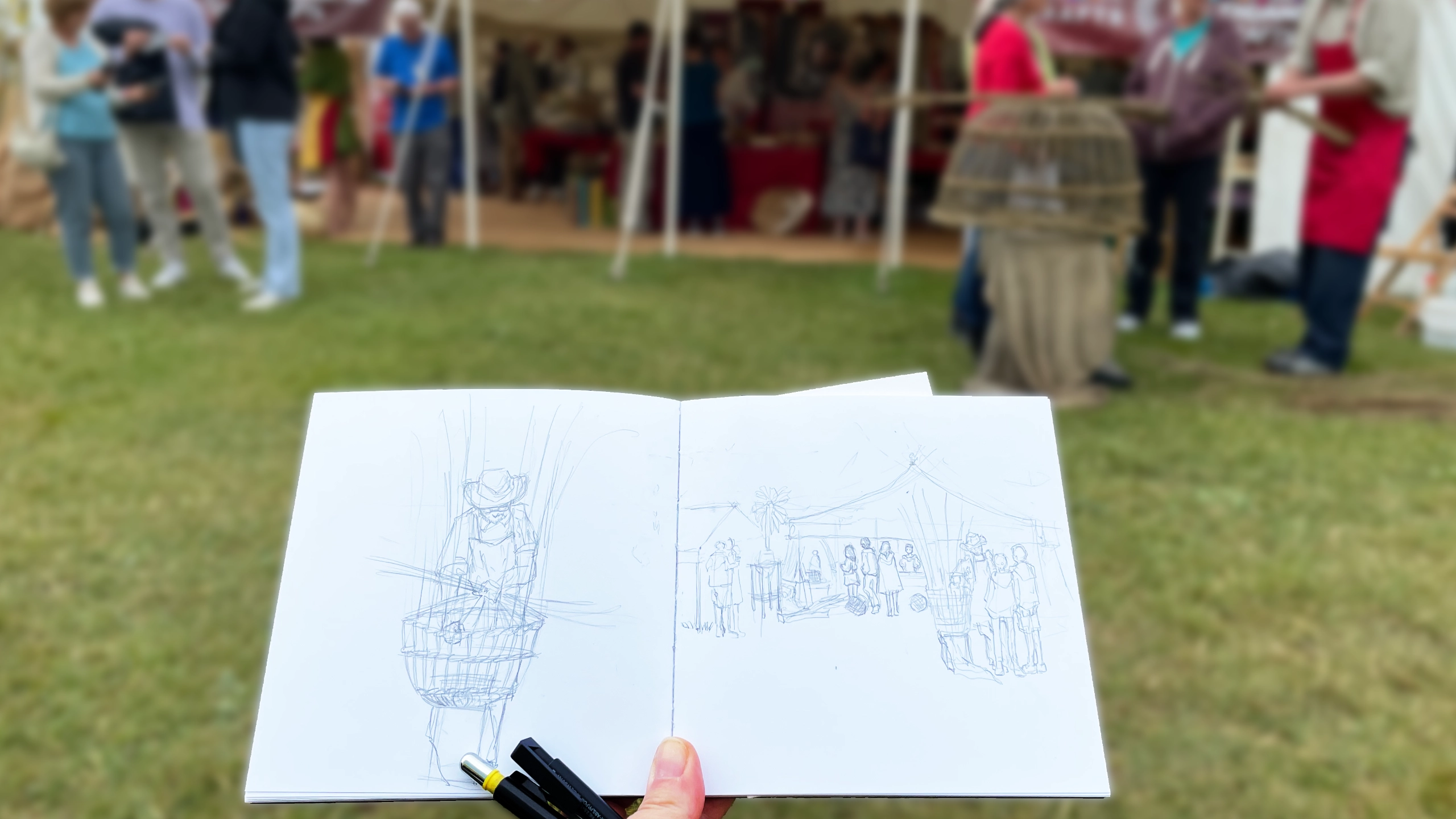
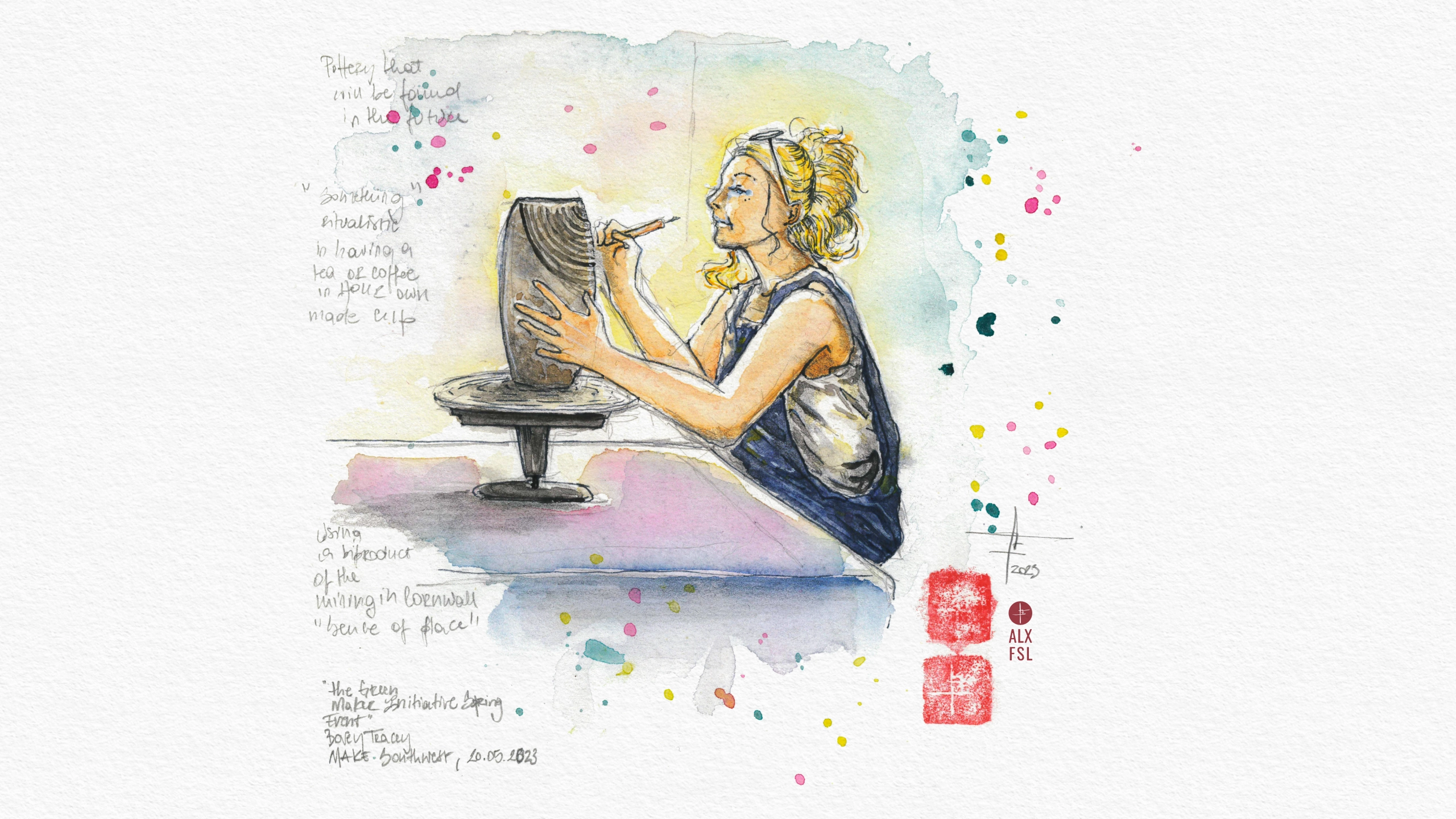
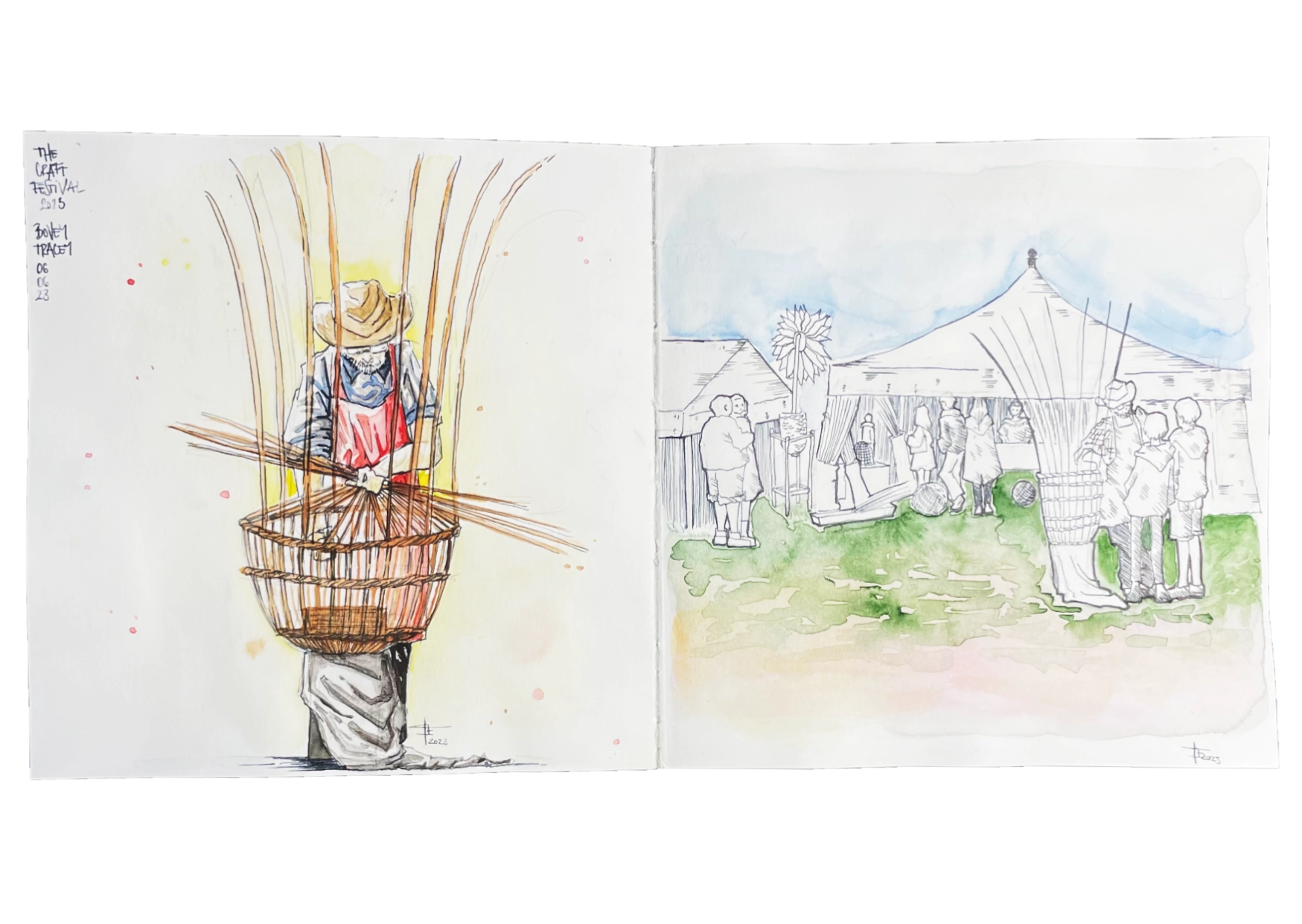
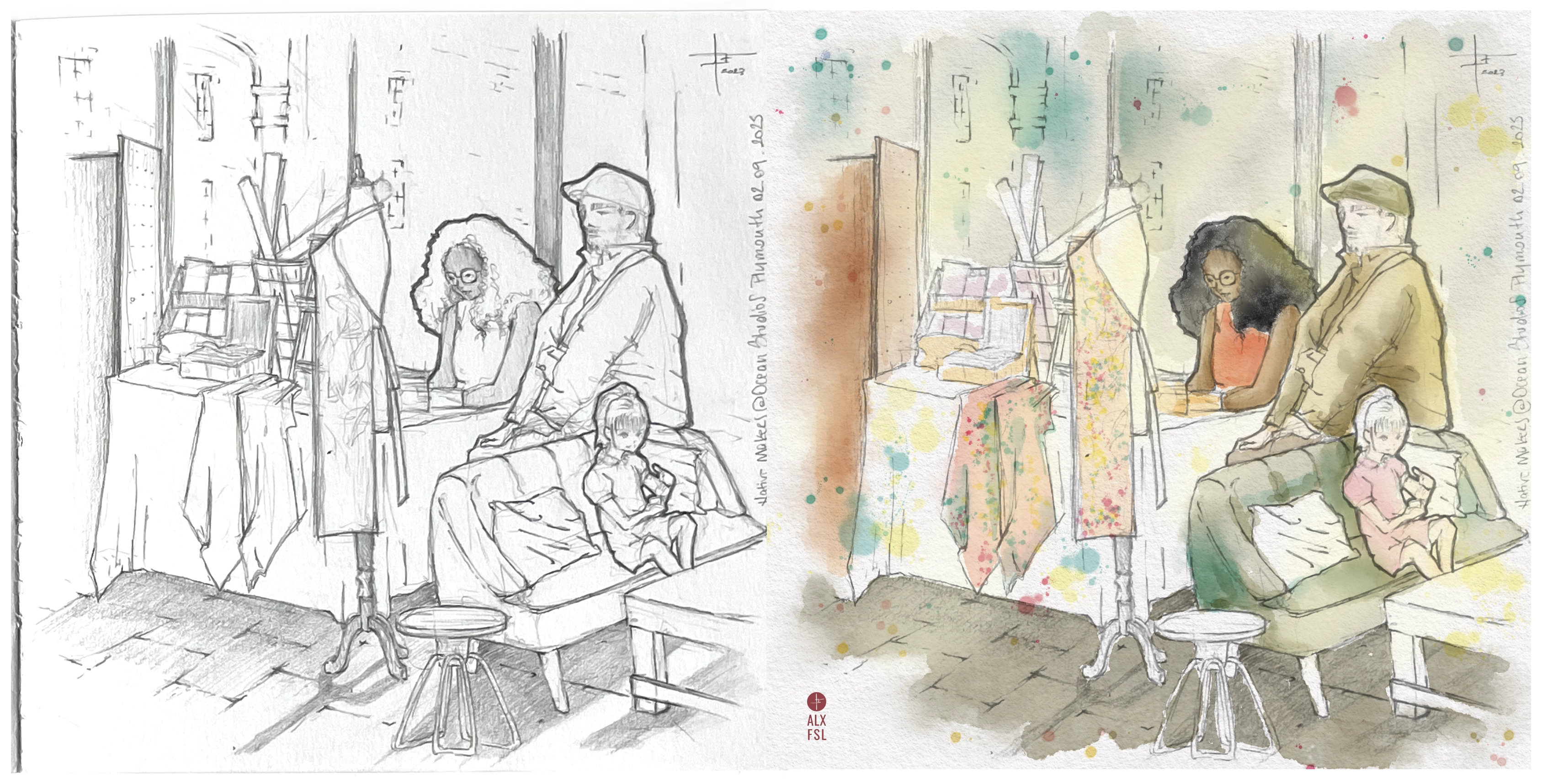
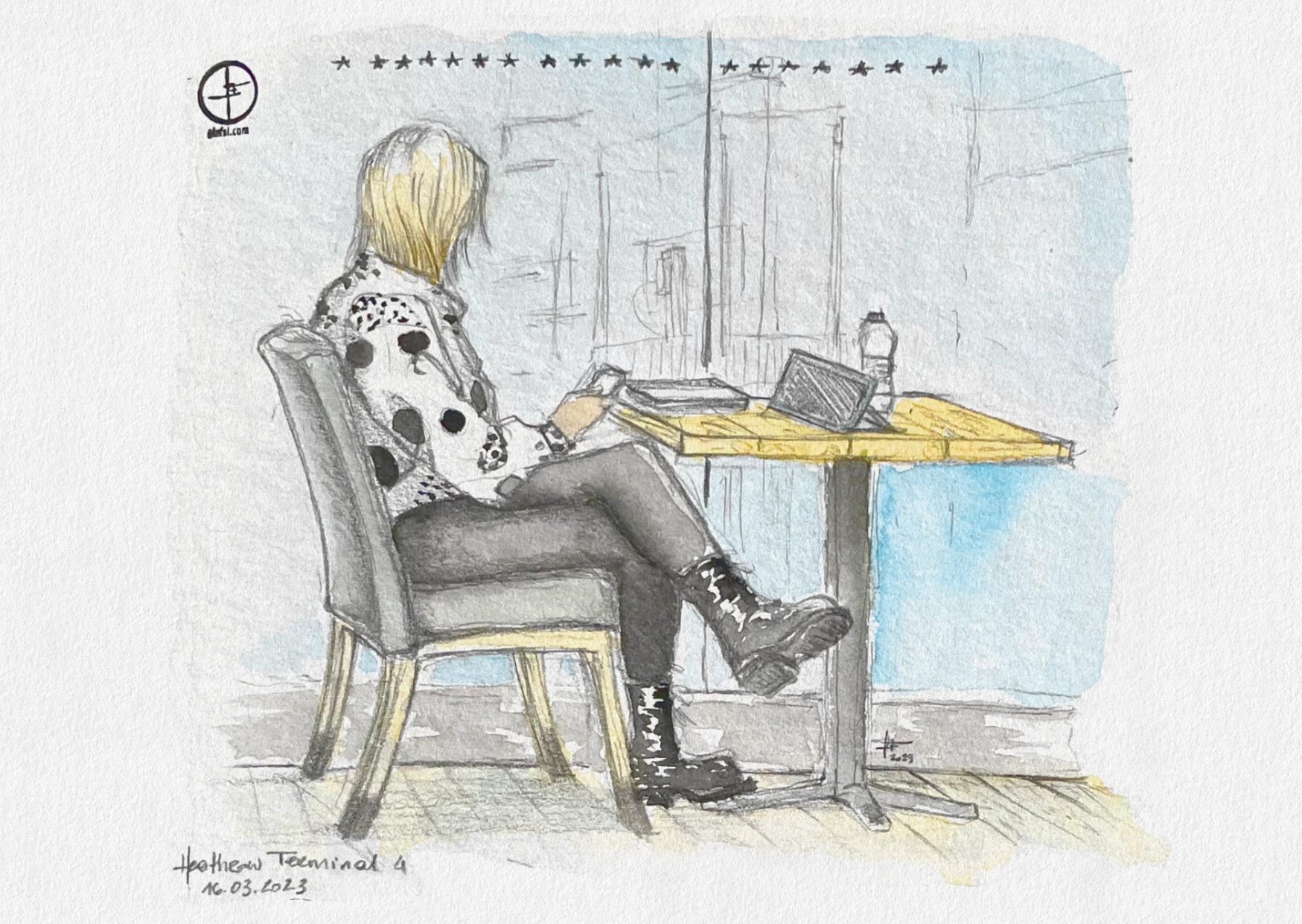
Pencil drawings and sketches on an 14x14 cm notebook. Watercolour might be added during fieldwork or later in the studio. Here some examples:
What data will be collected?
- your full name
- profession / role in the organisation
- background/education
- ethnicity
- age
About confidentiality and anonymity
You can participate anonymously: the recording will be anonymised and all identifiable data removed from the dataset. However, names, dates, and descriptions about public events are public information. If you decide to participate anonymously, your drawing will be done in a way not to include identifiable traits:
Confidentiality is granted at all stages of the research, meaning any information deemed as confidential that does not have your explicit permission for disclosure will not be divulged. Confidential data will be removed in the final datasets.
How are my data processed?
All data are processed according to the UK GDPR and the Data Protection Act 2018.
At the end of the research, research data will be appropriately archived and retained for minimum 10 years, at the end of which continued retention will be reviewed.
What will happen to the drawings, notes, and audio files and the data generated by this study?
Drawings, notes, and audiofiles are part of the final dataset of the PhD and will be shown, analysed, and discussed in the final dissertation. They are also part of an online showcase that aims to illustrate the journey and findings of the PhD.
Data can be presented in conferences and talks, in the form of digital presentations, installations, or videos; can be shown in exhibitions; and can be published in academic and non-academic manuscripts, in the form of scientific articles, essays, blogs, or books.
Will you have the recording and the drawings of your interview?
Yes, you will be sent a safe download link via email to access a copy of the interview's recording, together with a high resolution scan of the drawings made during the interview. The digital scans of the drawings are licensed through the Creative Commons license Attribution-NonCommercial-NoDerivatives 4.0 International (https://creativecommons.org/licenses/by-nc-nd/4.0/?ref=chooser-v1)
What if you want to complain about the way data is handled?
If you wish to raise a complaint on how we have handled your personal data, you can contact our Data Protection Officer who will investigate the matter. If you are not satisfied with our response or believe we are processing your personal data in a way that is not lawful you can complain to the Information Commissioner’s Office (ICO) (https://ico.org.uk/).
Data Protection Privacy Notice
Kingston University conducts research to the highest standards of research integrity. As a publicly funded organisation, the University has to ensure that it is in the public interest when we use personally-identifiable information about people who have agreed to take part in research. The University’s data protection policy governing the use of personal data by the University can be found on its website: https://www.kingston.ac.uk/aboutkingstonuniversity/howtheuniversityworks/policiesandregulations/#information
Further supporting information
More information about this project, its evolution, the methodology and the philosophy of the research are available on this website.
Contacts
Principal Researcher
Alessandra Fasoli
Postgraduate Researcher in Sustainable Design
email: a.fasoli@kingston.ac.uk
Kingston University London
Kingston School of Art
School of Creative and Cultural Industries, School of Design
Department of Critical and Historical Studies
Knights Park
Grange Road,Kingston upon Thames, Surrey KT1 2QJ
Supervisory Team
First supervisor
Dr Christoph Lueder, Kingston University London
Second supervisor
Dr Paul Micklethwaite, Manchester Metropolitan University
Non-academic supervisor
Zoe Dennington, Crafts Council Head of Learning
University contact for clarification or complaints about this research
Ms Amanda Ure
Grange Road,
Kingston upon Thames,
Surrey KT1 2QJ
email: [m.ure@kingston.ac.uk](mailto:m.ure@kingston.ac.uk
Informed Consent
Thank you very much for allowing me to join you during those events and for taking part in my research. Don't forget to sign the informed consent: