Knowing Devon Craft Communities: The Green Maker Initiative Event
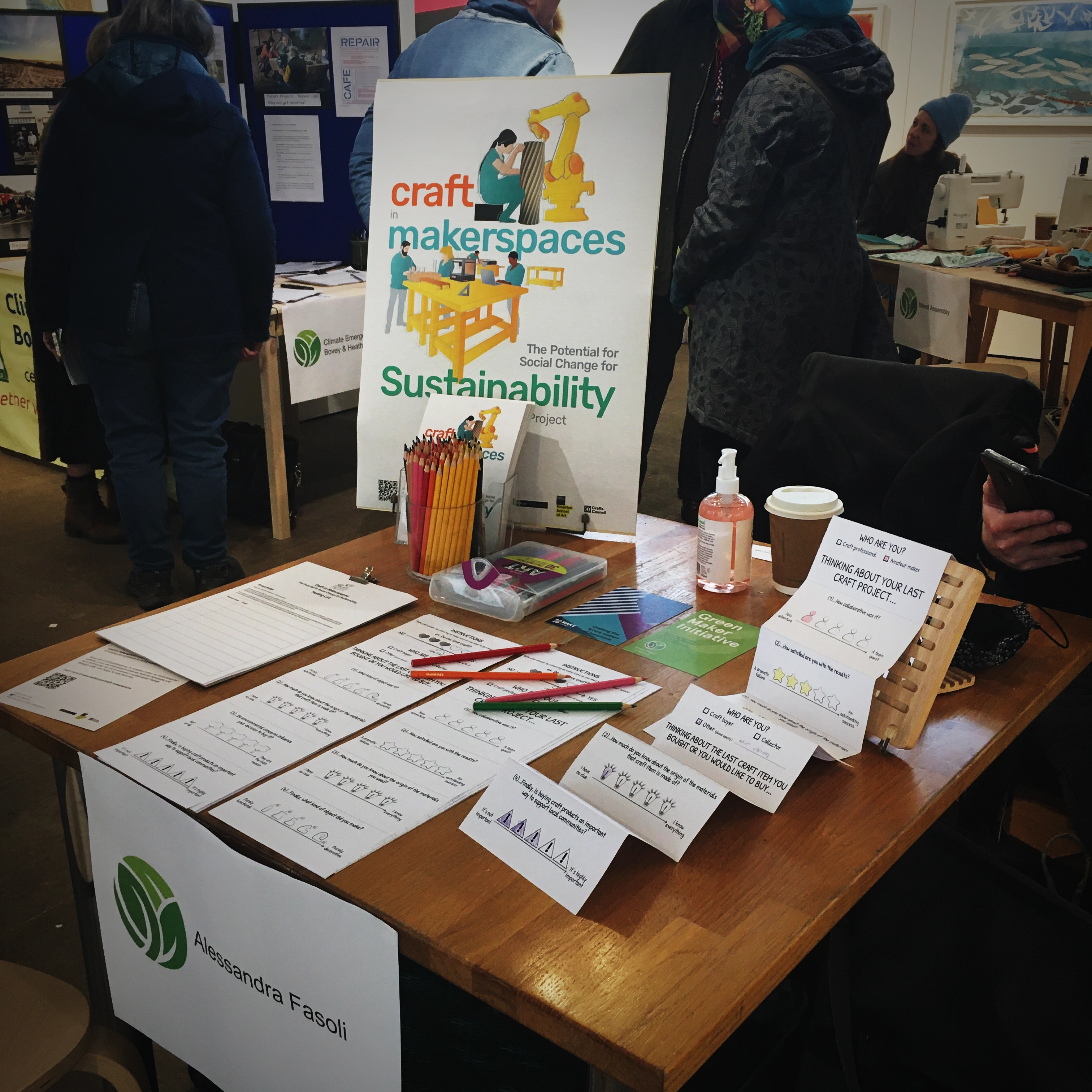
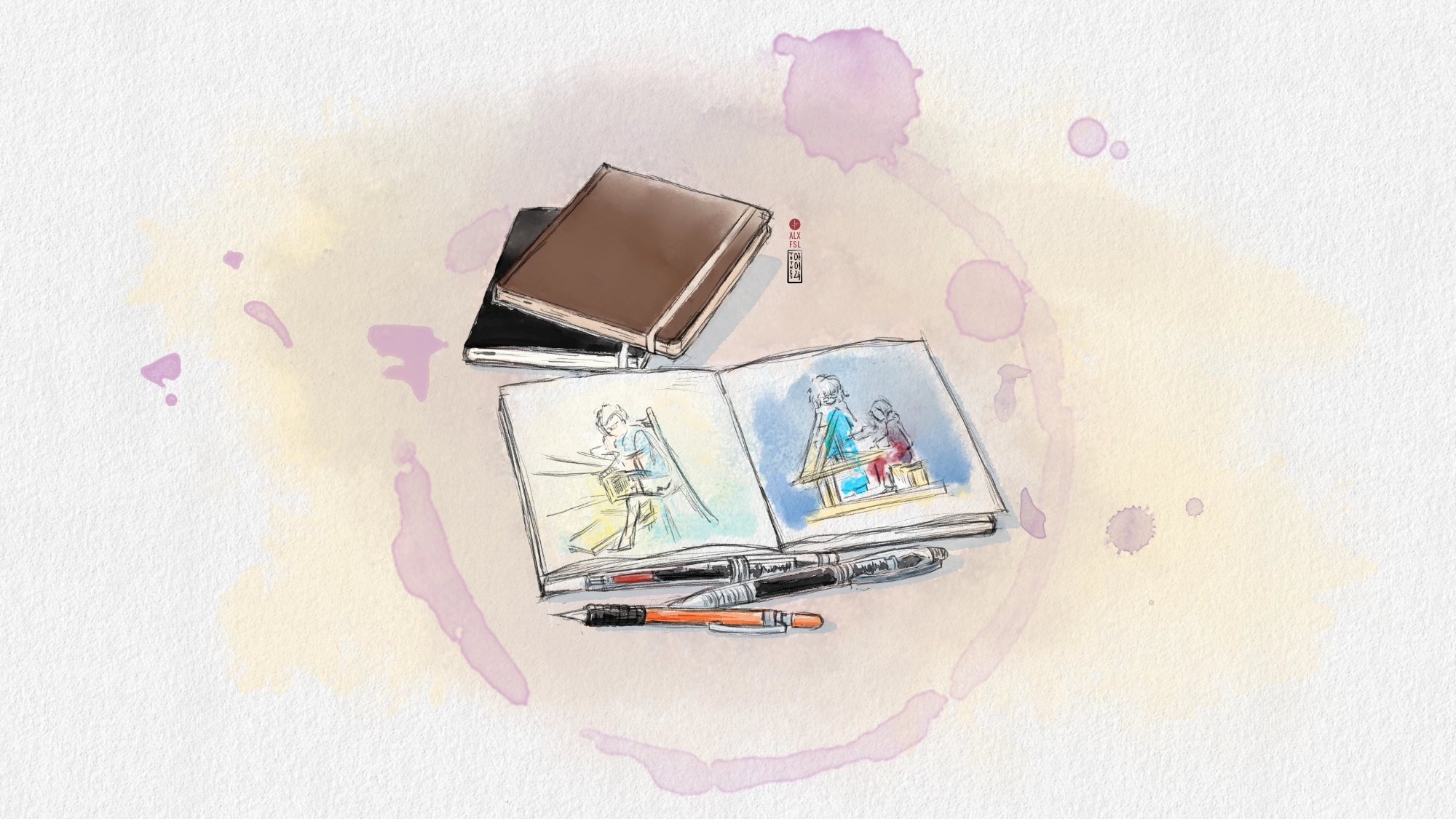
In February 2022 I participated to the Green Maker Initiative launch event, organised by MAKE Southwest and University of Plymouth’s Low Carbon Devon. This was the first in-person event related to my research, and the aim was knowing the community of makers that revolve around MAKE Southwest, generating interest around my research and collecting informal impressions about sustainability and craft. My participation to the event has been the first step in mapping creative craft and maker ecologies in South Devon, as part of my research project to understand how they work and organise themselves from a sustainability point of view.
Finding the right way to approach the community and establish a conversation arises a series of questions, especially in the beginning, where unknowns and uncertainties are high.
In my experience, the biggest problem with ‘sustainable practices’ is that everyone has their own idea on what ‘sustainable’ means, and craft and maker communities inherit this heterogeneity due to the vagueness of the original concept of sustainability.
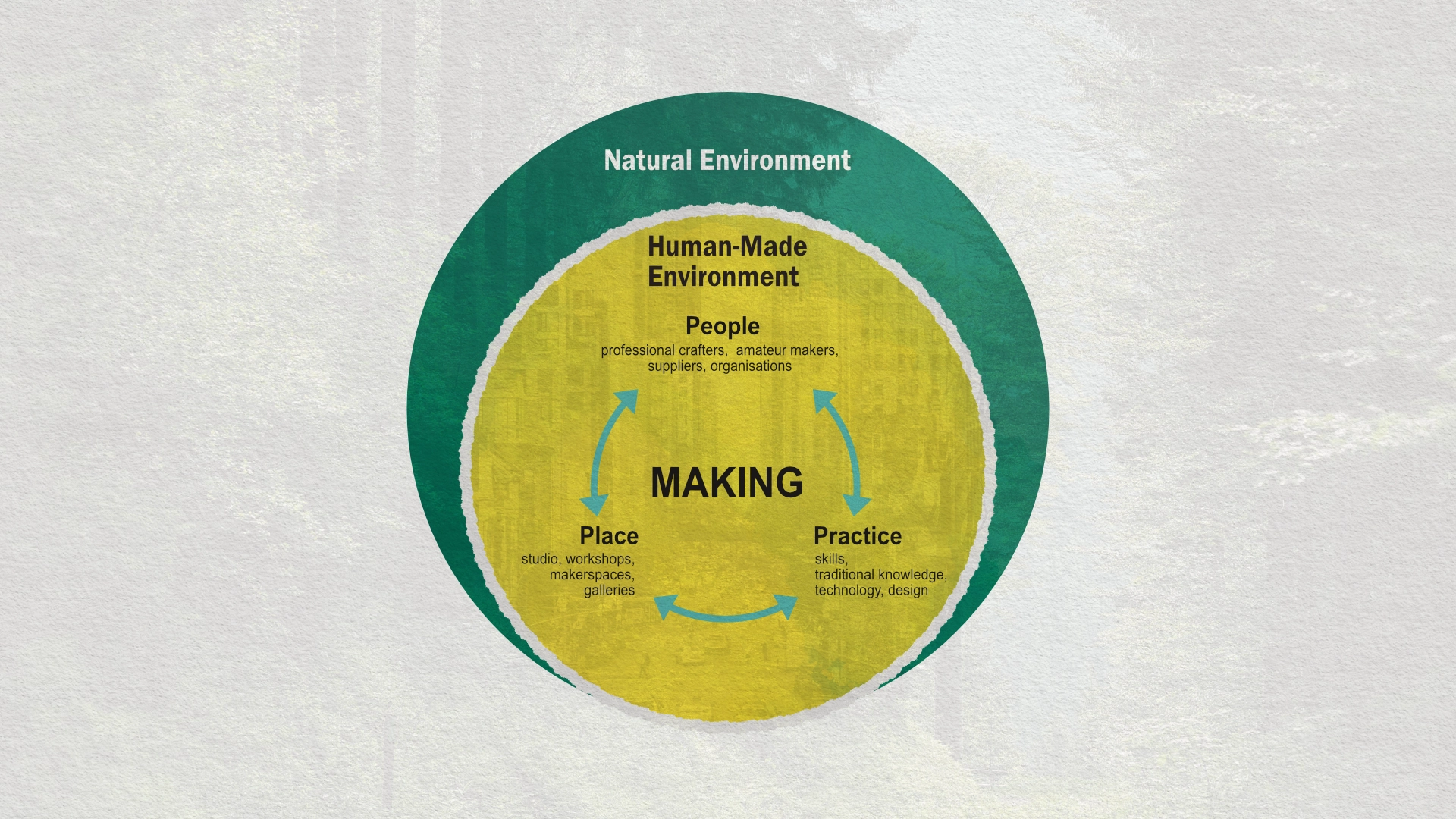
As I explain here, my research focuses on understanding making as a meaning-building process that can help in building sustainability cultures. Defining making as a cultural enabler implies that people relates to making and making relate to people depending on a series of ecological factors like affordability, accessibility, subjectivity, collective practices, skills, and affordances. It also implies that what making means is at the same time contextual (i.e. it is influenced by the environment where making happens), and subjective (i.e. every person engaging in making - whether by actively becoming a maker or not - creates their own meaning around their practice). It also means than when we want to connect making and sustainability we need to look beyond the ‘product’, understanding first how environmental values influence making practices, and then exploring making as a way to forge environmental identities and create cultures of sustainability. In the context of my research, the way environmental values influence making translates into the question: ‘How is craft perceived in relation to sustainability values in South Devon?’ The launch of the GMI represented a very nice occasion for me, an outsider still trying to know the Devon communities, to get in contact with craftspeople and start conversation about craft and sustainability, and the people of MAKE Southwest were very supportive in allowing me to participate in the event and giving me a proper place where I could have some conversation with the makers and more in general with the people attending the event.
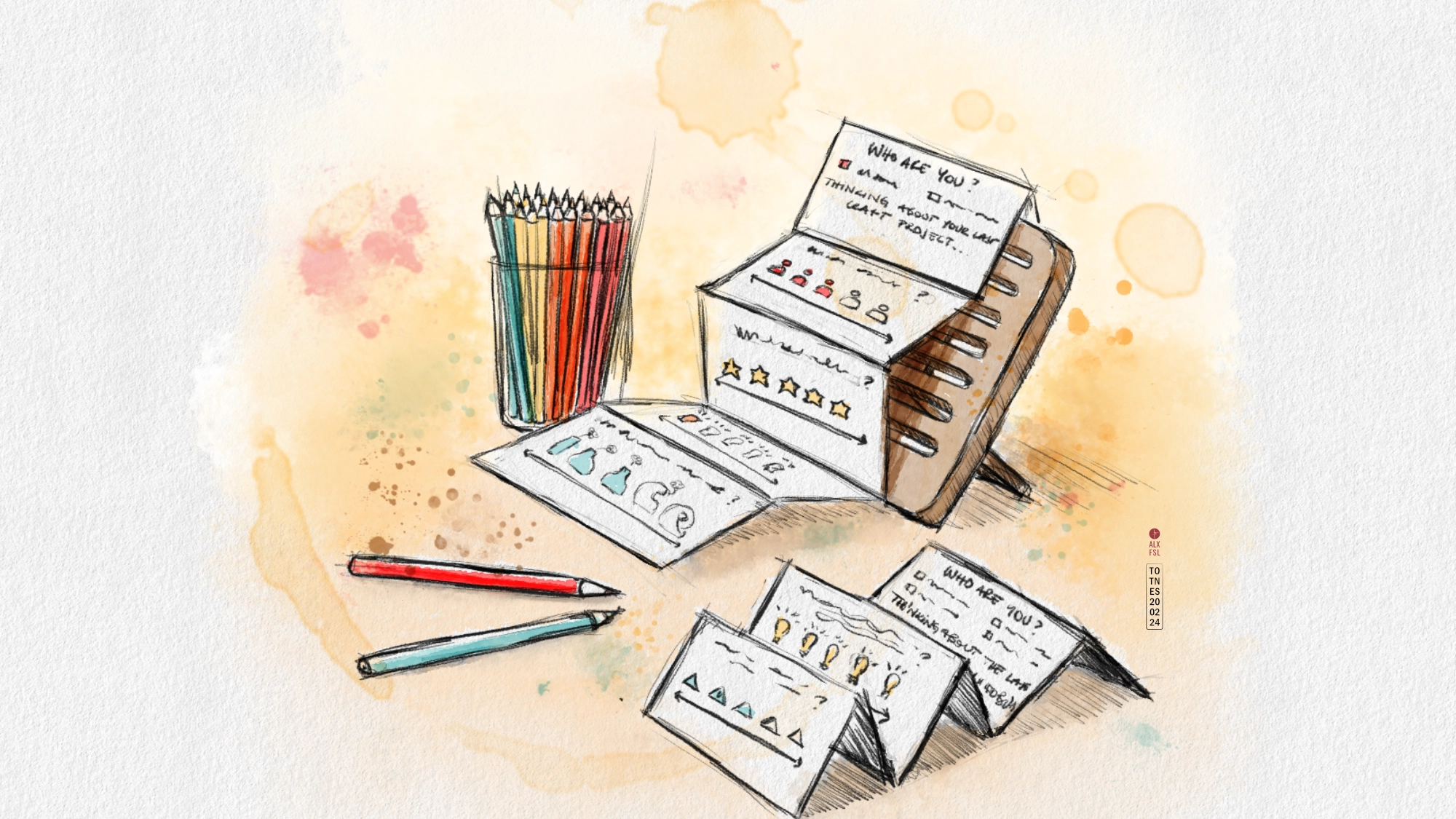
Having it sorted in terms of logistics, my biggest challenge was creating a safe space for attendees to express themselves while gathering impressions in a way that it translates into useful information for my research. Building on my personal experience as a designer and a creative person, I decided that the best way would have been to create a recreative activity that was at the same time funny and relaxing, and what’s more relaxing than colouring?
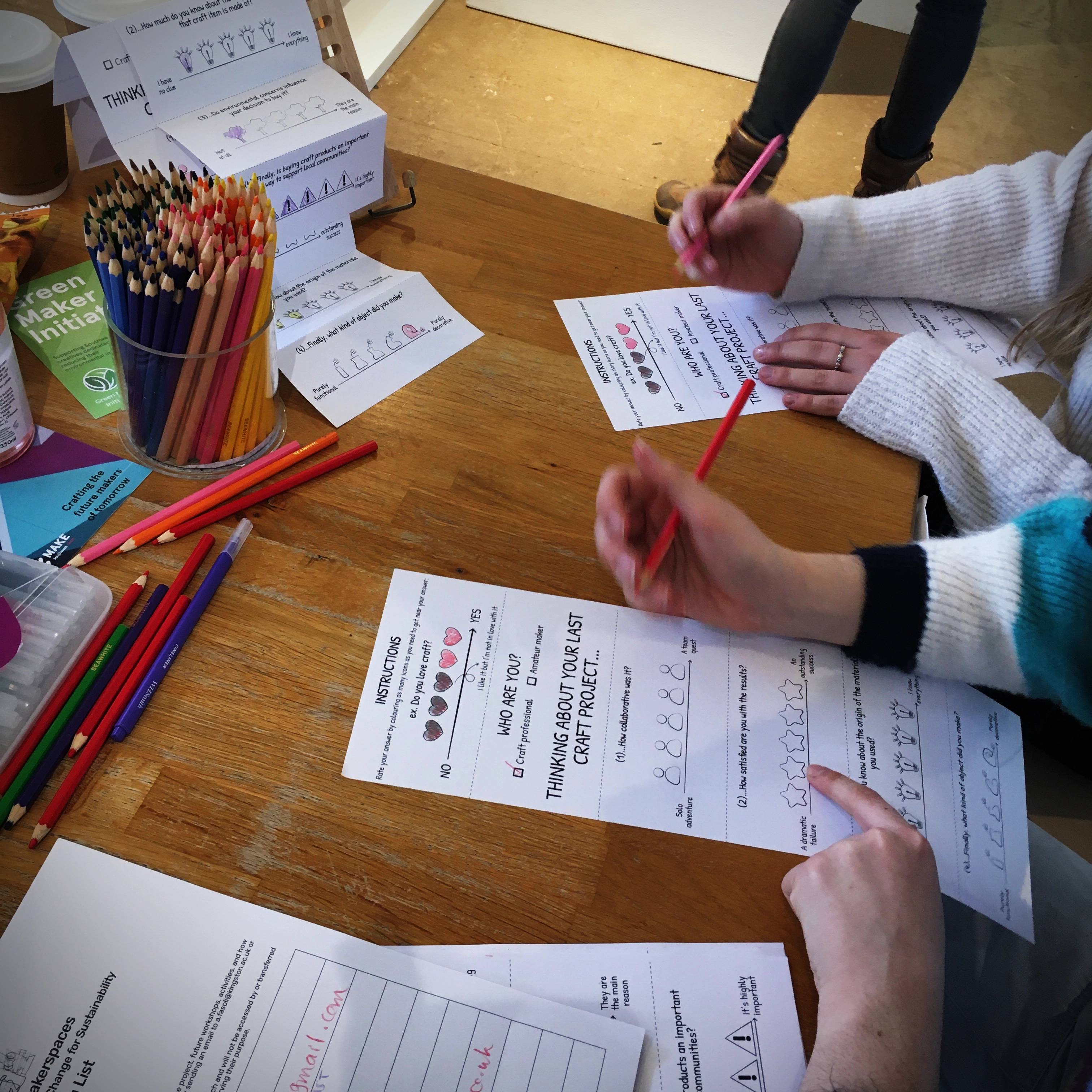
The second challenge were the questions. They needed to be simple, understandable, but at the same time precise enough to give me the information I wanted. Luckily, many researchers have found themselves in similar situation, and framework are out there to be used. I decided to base this explorative activity on the Quadruple Bottom Line, though adjusted to my investigation. I set up the criteria through which I wanted investigate the meanings underlying making exploring 4 different values:
personal
practical
social
environmental
The people participating in the inquiry were both makers and buyers, and, therefore I created two different surveys for the two categories, and 25 people participated in the activity throughout the entire event, basically resulting in a constant flow of people sharing their views. I was surprised and pleased to see such a high response and sensibility to sustainability discourse, which confirmed my impression that there is a general interest in the topic and a will to do something in that direction. Despite my worries of maintaining the questions as general as possible, people were eager to share their practice and methods they were engaging with for rendering their practice more sustainable, leaving comments on the survey and telling me about their experience while they were filling the questions. As expected there are some fluctuations in the way the different values inform the way people relate to craft, and 25 people are certainly a small number to be representative of communities in South Devon. However, the experience itself offered some glimpses of possible trends. In particular, making is mostly perceived as a solo activity in regard to the creative process, but it acquires a social dimension in regard of the finished artefacts and the meanings it assumes once it is out in the world. Another interesting point regard material flows: makers showed a high level of confidence about the origin of their materials, but this information seems not to reach the buyers, though it is not clear if it is because of lack of transparency from the makers or because of a lack of interest from the buyers. As the research is ongoing and this was mostly an icebreaking activity, these suggestions must be taken anywhere with care.
What can be drawn from here that there is a group of people engaging with craft that not only has an interest into sustainability, but wants to actively do something in that regard. A full report of this activity will be integrated in my final dissertation. The results of this little survey will be the ground to which I’d like to plan some co-design activity with MAKE Southwest and their community. The idea is to explore more in depth the cultural role of making in contemporary communities and how it is informed and can inform environmental values through a co-design activity. I’ll share more info in the next months.
To know more about the Green Maker Initiative, please visit MAKE Southwest website, where you can find both information about the membership and a series of shared tools and resources form making making greener.
Low Carbon Devon is a project of the University of Plymouth that promotes environmental discussions and practices in the creative industries. Please visit their website to know more about their work.
Originally published on https://alxfsl.com/sustainability-in-the-making/knowing-devon-craft-communities on December 1st, 2022